You are here : IPIM Home ›› Business in Macao ›› Macao Business Environment
 Add this page to my favourite
 Send this page to my friend
Macao Business Environment
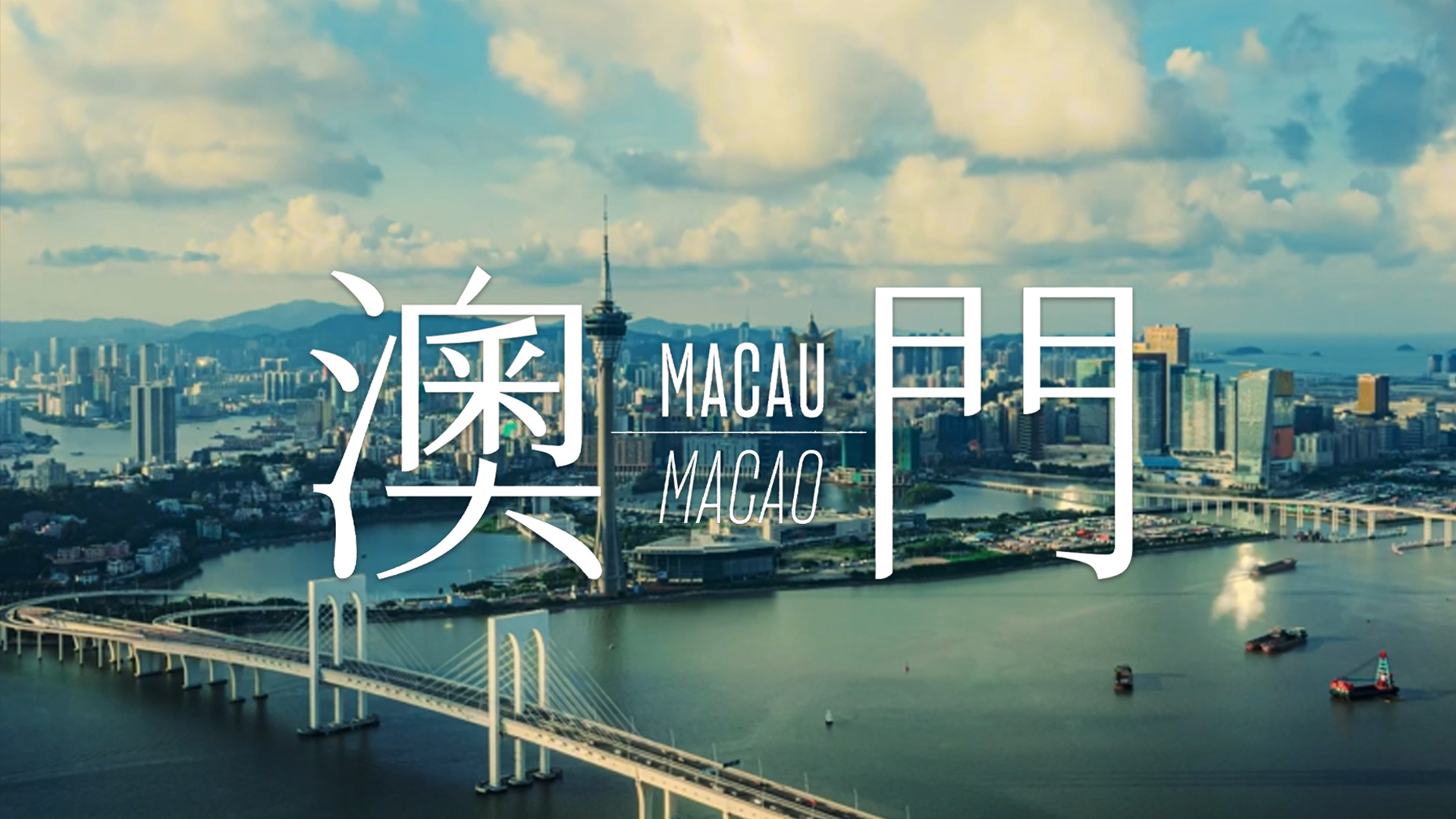
Macao is a highly open city of commerce and trade. It has a strategic location and well developed infrastructure. Being a free port as a separate tariff region, not only raw materials and capital goods are free from import tariff, but also there is no restriction on foreign exchange and movement of capital. Macao also has a highly attractive fiscal system with very low levels of taxation. Tax levied on corporate profits does not exceed 12%, which is the lowest in the region. Foreign enterprises can enjoy tax incentives while setting up back or regional offices here. With these advantages in a competitive business environment, Macao has been functioning as a bridge to facilitate regional economic co-operation.

Since the return of sovereignty to China, Macao’s government has devoted its efforts in perfecting the business environment. Macao’s trade and investment regime was appraised by the WTO’s as "remains among the most open in the world" in its second trade policy review of Macau, China. In 2007, Moody’s Investors Service has recently upgraded Macao’s credit rating from A3 to Aa3, reflecting a stable perspective.

The SAR Government has clearly defined its strategy for economic development: with gaming and tourism as the leading sector, other service sectors as the backbone, to oversee co-ordinated development of other industries, and to build Macao into a tourism gaming centre, a MICE centre and a trading service centre with Asian characteristics. Furthermore, due to the particular advantages and characteristic of Macao’s economy, the Government is striving to construct Macao into a business service platform. Therefore, the Government will continue to improve the business environment and reinforce its external relations and co-operations.

With a population of only 544,600  , Macao has received a record-breaking number of visitors in 2008 (22.9 million). After the liberalisation of the gaming industry, it is expected that new hotels, casinos and entertainment facilities will be gradually put into use. In 2008, GDP grew by 13.2%, the number of new start-up companies reached 2,738. Economic growth in 2009 is expected to remain stable.

Mainland and Macao Closer Economic Partnership Arrangement (CEPA) signed in 2003 October and taking effect from 1 Jan of 2004 will further promote economic and trade co-operation and development between the two sides on the previous basis. CEPA is composed of three main areas, Trade in Goods, Trade in Services, and Trade and Investment Facilitation. Enterprises can make use of CEPA, by producing goods in Macao or by co-operating with Macao enterprises, to explore a wider Mainland China market or penetrate into overseas market, like the Portuguese speaking markets. The Portuguese speaking countries, eight in all, spread over four continents and have a total population of 20 million. Although most of them are developing countries, but rich in natural resources, they are mostly markets of great potentials. The Forum for Economic and Trade Co-operation between China and Portuguese-Speaking Countries was hosted by the Central People’s Government and co-ordinated by Macao SAR Government in 2003 and 2006 in Macao. The "Economic And Trade Co-operation Action Plan" signed at the ministerial level established the direction for future co-operations in many areas and relevant follow-up works were to be handled by a permanent secretariat office in Macao. The Forum strengthened Macao’s role as the Service Platform for the Economic Co-operation between China and Portuguese Speaking Countries.

Besides, while maintaining a close links with overseas Chinese entrepreneurs, Macao is the place where many activities related to overseas Chinese entrepreneurs co-operation, providing exchange opportunities between Mainland China entrepreneurs, overseas Chinese entrepreneurs and entrepreneurs in Taiwan. In addition, Taiwanese passengers do not need a visa to enter Macao and can enjoy "one flight to the destination" service to places on Mainland China via Macao. Nowadays, there are 67 flights between Macao and Taiwan. In 2002, the Cross-Strait Association set up an office in Macao to provide co-ordination and enquiry services related to exchange and economic co-operation across the Taiwan Strait.

Enhancing external economic co-operation is fundamental to Macao’s development. A business service platform will be well formed in Macao, to provide high quality platform-services to all investors.
Top
Print out version
Latest News
Business Opportunities for Philippine Food Products in Macao
Guangdong and Macao Branded Products Fair 2010 drew its curtain to a marvelous close (25 July 2010)
Received with enthusiastic response, Guangdong and Macao Branded Products Fair 2010 has five cooperation agreements signed today
Recommended Events
Was this information helpful?
Yes, Thank you.
No, not suitable.